Creating a simpler way to shop for fresh food with government benefits
MY ROLE
I led UX research and design end to end, from early discovery through co-design, prototyping, and usability testing. Over four months, I:
Conducted 30+ interviews with shoppers, farmers, and market managers across New York City
Led 6 co-design sessions — both in-person and virtual — to refine the Snappable prototype
Ran 8 usability tests at farmers markets and synthesized findings into design decisions
Worked with a product designer and engineer to build and launch an MVP web app
Outcomes
OUTCOMES
The app developed via this work won $70,000 in funding from the Catalyst Program and Restive; a City Fellowship via NYEDC and Company Ventures; and a $20,000 investment as part of Techstars’ Economic Mobility accelerator.
Background
Snappable was born out of my fellowship at Blue Ridge Labs @ the Robin Hood Foundation, a public interest technology incubator in NYC that brings together subject-matter experts and technologists to create interventions that address poverty in New York City. During the fellowship, I cofounded Snappable, a tech product to assist NYC residents who use food stamps (SNAP) and government vouchers to shop for fresh, affordable food. One of the first areas of focus was a POS platform created alongside farmers' market networks, that would allow them to more easily disburse and accept payment for SNAP-eligible groceries and fresh food.
A system held together by wooden tokens
In New York — and most of the country — people cannot shop at farmer’s markets using an EBT card. Instead, anyone who wants to use SNAP, WIC, TANF, or other benefit programs has to exchange their EBT credit for market-specific wooden tokens and paper vouchers. These alternative currencies can only be used at specific markets, cannot be replaced if lost or stolen, and require transactions to be rounded to the nearest $1 or $2.
On top of being burdensome for shoppers, this payment process also places unnecessary financial strain on farmers, who under this system have to wait up to 6 months for government reimbursement for these purchases.

The process to shop using Health Bucks, one of many government vouchers for fresh food
Across the country, the farmers market networks that have to manage this complicated transactions system have teamed up with tech platforms to make it easier for shoppers to access and use their food stamp benefits.
Understanding what works now — and what doesn’t
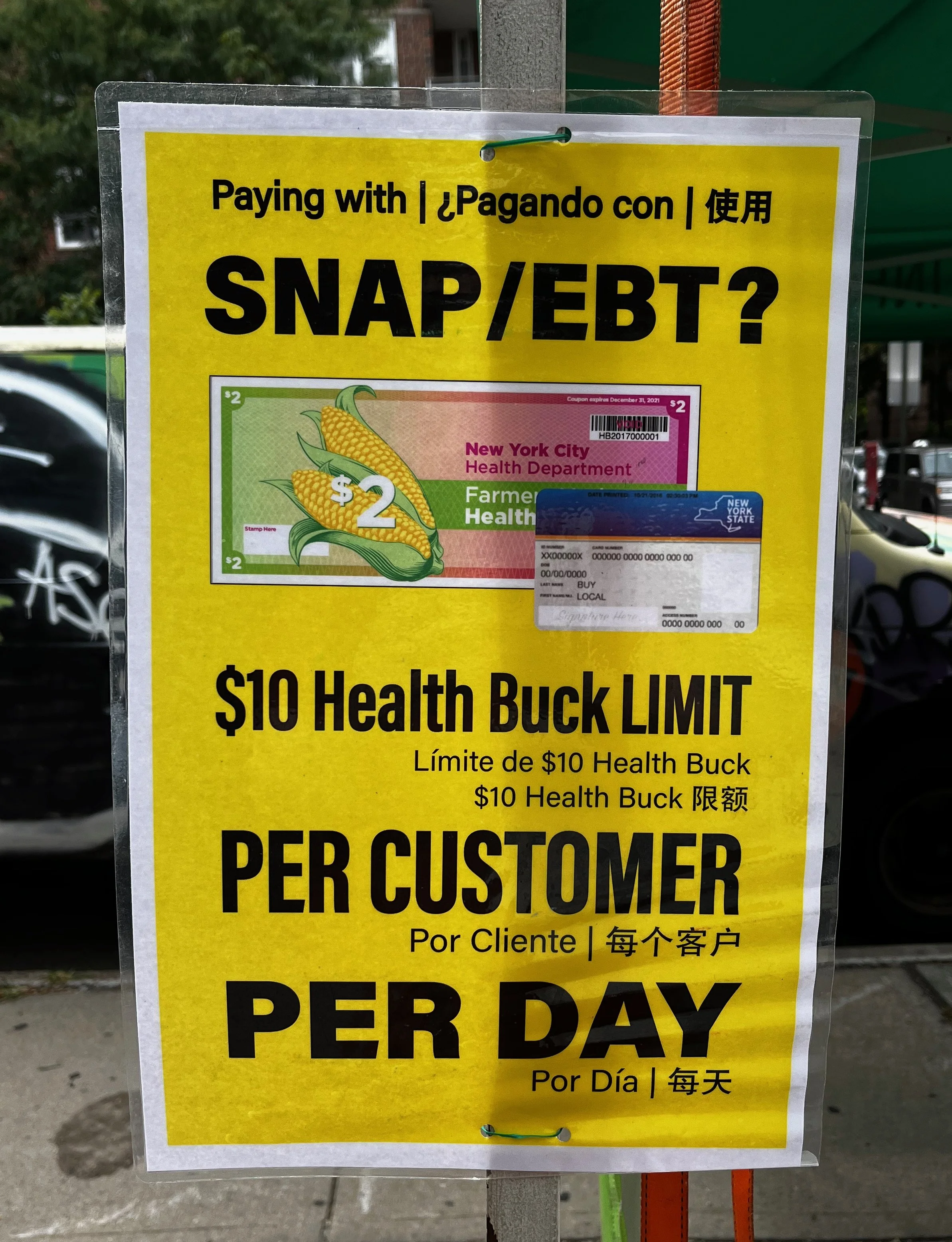
Signs at an NYC farmers market
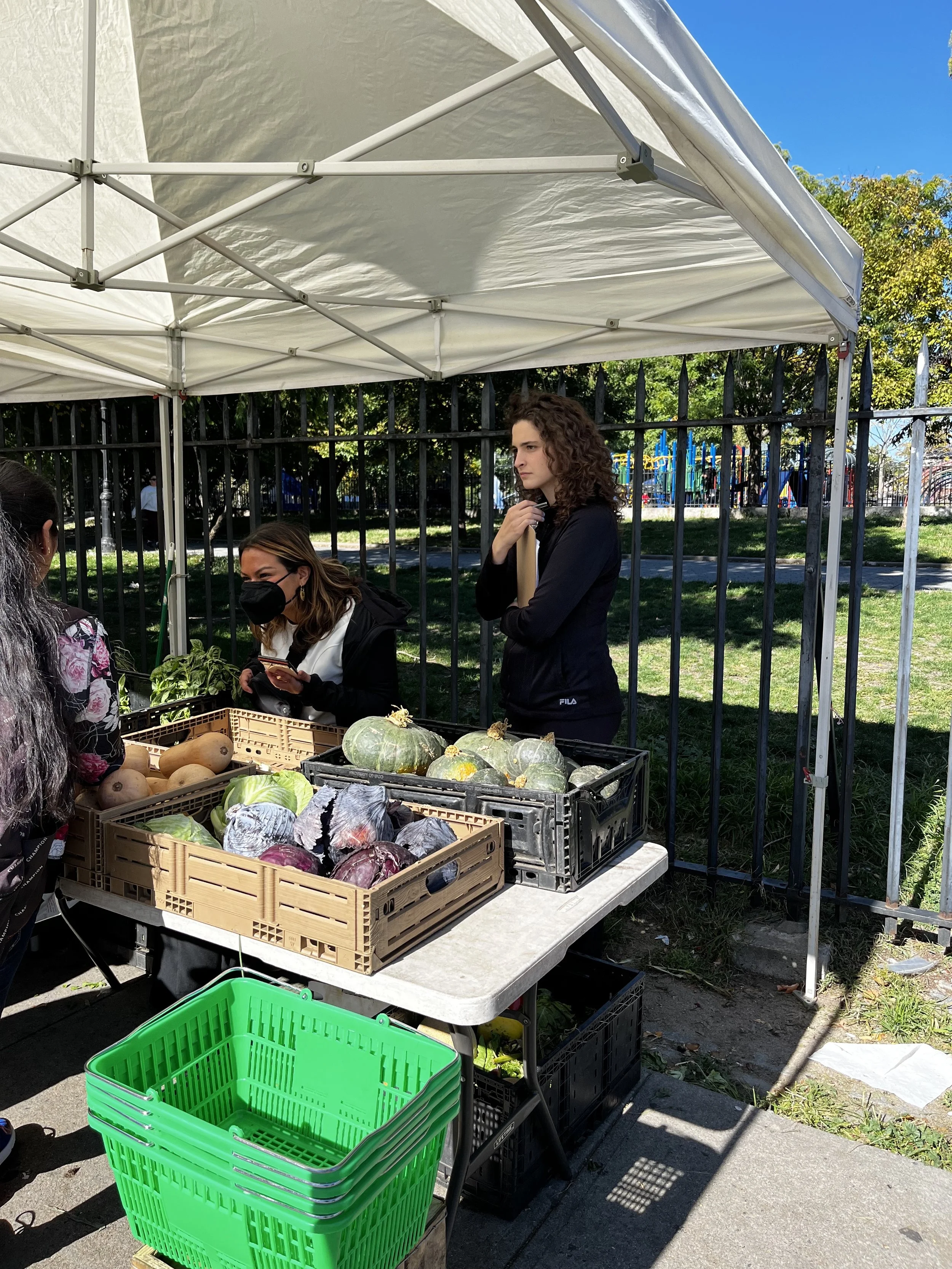
Conducting observational research at a farmstand
During the initial research phase of this project, my teammates and I interviewed elected officials, nonprofit leaders, and shoppers to better understand the complex system of government currencies and vouchers that are used at farmers markets. From those conversations, I learned that our new payment platform would need to meet on the needs of three key users in order to be successful: shoppers, farmers, and farmers market managers (who handle the distribution of tokens and some government vouchers).
Along with my team, I conducted site visits to markets all over New York City, along with focus groups and one-on-one interviews with people from each user group. In my research, I heard about the following failures of the current system:
Due to long reimbursement timelines, farmers and market managers often end up paying for the cost of accepting these government currencies out of their own pockets
Because this system relies on non-standard physical currency, both farmers and the managers who run these markets have to count hundreds of paper vouchers and wooden tokens by hand multiple times per week
Shoppers have to keep track of disparate of currencies that are specific to farmers markets, can only be used to purchase certain kinds of foods within those markets, and expire yearly
I also conducted observational research, shadowing farmers accepting payment with these currencies. I noted which payment platforms are currently most used, how and when farmers and shoppers use their smartphones, and how information about this complicated system is communicated to new shoppers.
Building a better way to shop
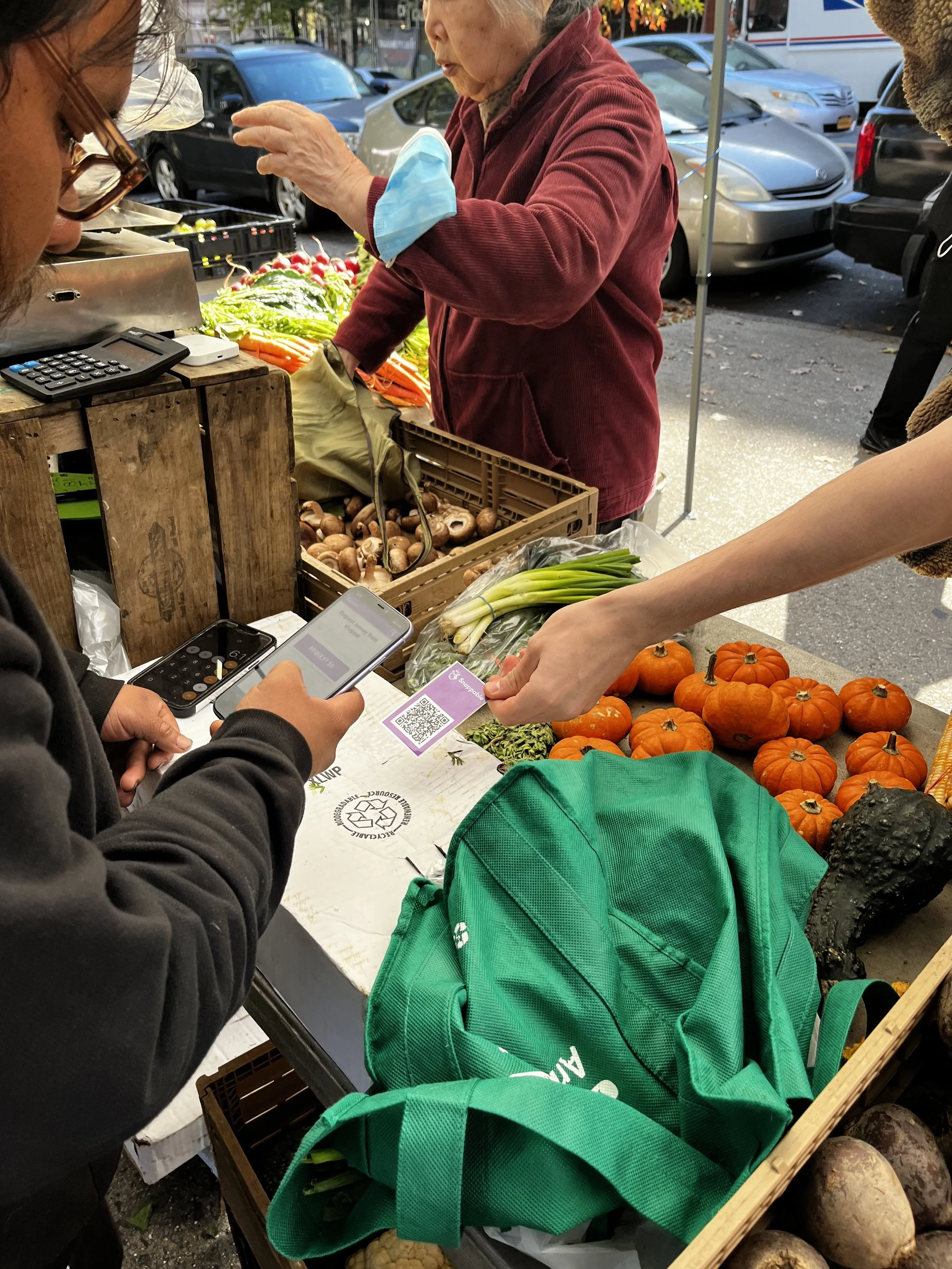
Testing an early prototype of a phsyical Snappable card
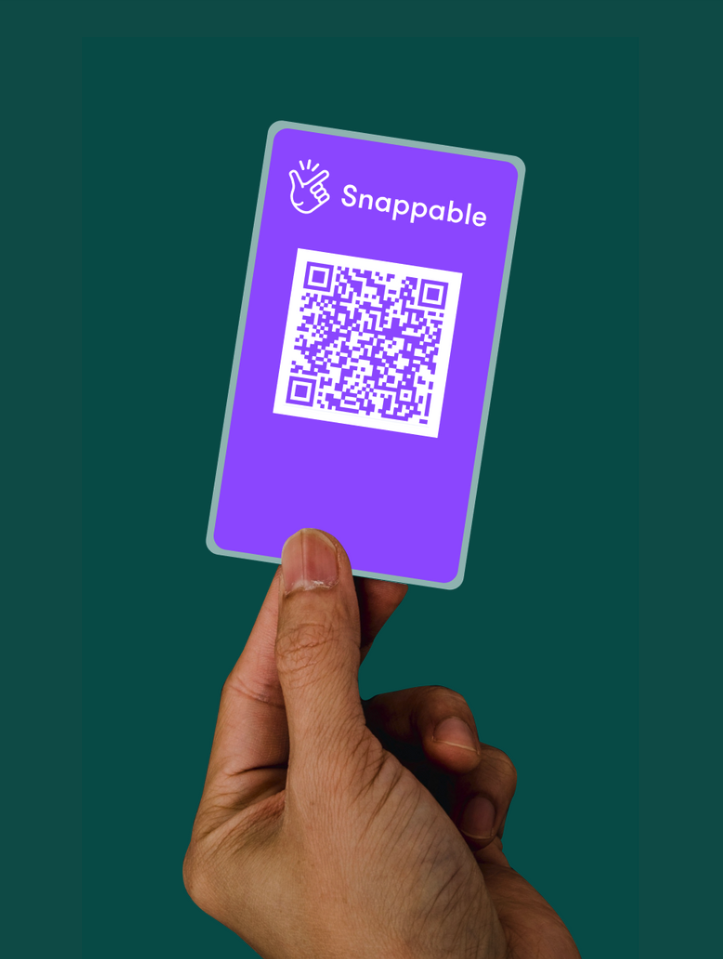
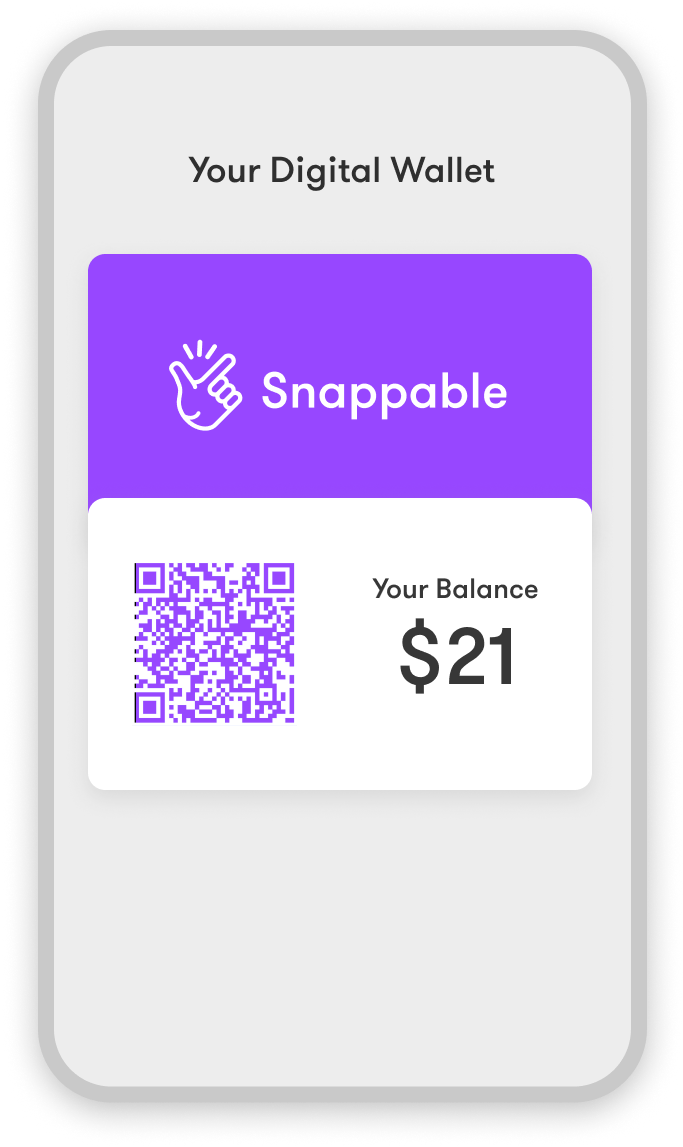
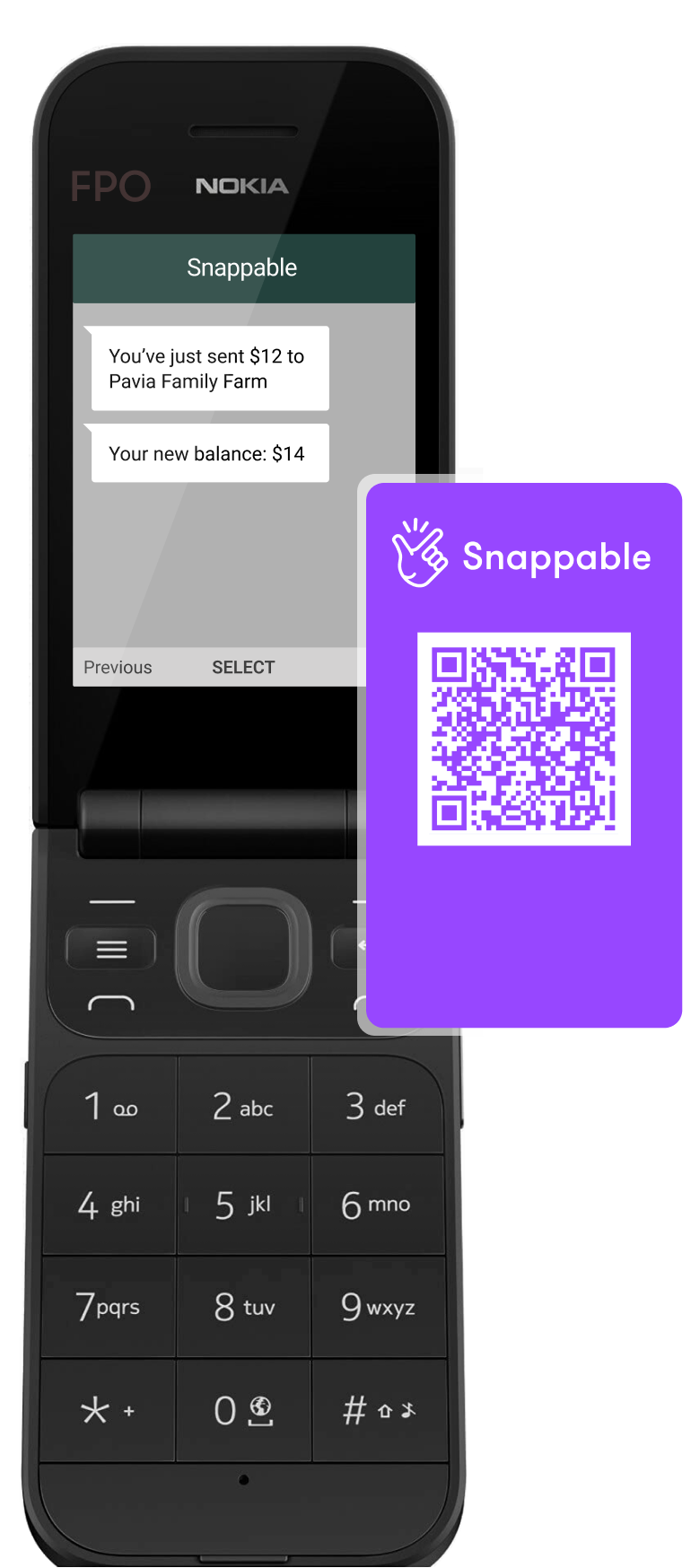
Based on what we learned during our conversations and observation of markets, I worked with a product designer and engineer to build the prototype for Snappable, a payment platform that digitizes the wooden tokens and paper vouchers used within farmers markets. Our work focused on meeting the needs of our three user groups in these ways:
For shoppers: one centralized way to manage these coupons (via the Snappable app or a physical Snappable card), with easy-to-use UI
For farmers and market managers: automated bookkeeping, to speed up reimbursement timelines and reduce wasted time
Based on interviews, co-design sessions, and usability testing, I worked alongside another designer and a software engineer to create an MVP web app with the following features and design:
Simple, large buttons for outdoor use
Bookkeeping features that allow market managers to easily capture and communicate data that’s currently track by hand
UI that mirrors the experience of apps they already use, like Square
Outcome
Snappable’s MVP product is currently being piloted at select NYC farmers markets, and we’ve met enthusiasm from market managers and vendors using it. We’ve won $70,000 in funding from the Catalyst Program and Restive to continue developing this product, and we’re also part of the 2023 City Fellowship at Company Ventures.